Cost of Living in Denmark
The Real Cost of Living in Denmark (And Where It Actually Hurts)

In this article
- Expect to budget 13,000–18,000 DKK monthly as a single person
- Housing is the biggest expense, especially upfront deposits
- Discount supermarkets can significantly cut food costs
- Utilities spike in winter due to heating needs
- Hidden costs like insurance and bike repairs add up
Everyone tells you Denmark is expensive, and they aren’t lying. But what they don’t tell you is that the “sticker shock” isn’t constant—it’s a targeted strike on your bank account. It’s not that every single thing is priced like a luxury item; it’s that your rent will likely swallow a massive chunk of your paycheck, leaving you to play a strategic game of Tetris with the rest of your budget.
When I moved here, I realized that living comfortably as a single person means budgeting between 13,000 and 18,000 DKK. If you’re in the heart of Copenhagen, expect to lean toward the higher end (or beyond). In a place like Aarhus or Odense, you can breathe a little easier.
The Monthly Damage (A Realistic Breakdown)
| Expense | The Damage (DKK) |
|---|---|
| Rent | 6,000 – 12,000 |
| Food (The Netto Hustle) | 2,000 – 3,500 |
| Transport | 400 – 800 |
| Utilities (Aka “The Winter Tax”) | 800 – 1,500 |
| “Fun” & Misc. | 1,000 – 2,000 |
Data check: Numbeo Denmark
The Housing Papercut
Rent is the beast you have to tame. In Aarhus, you might snag a decent one-bedroom for 8,000 DKK if you’re lucky and fast. In Copenhagen? Prepare to pay 11,000 DKK for a “cozy” (read: tiny) spot.
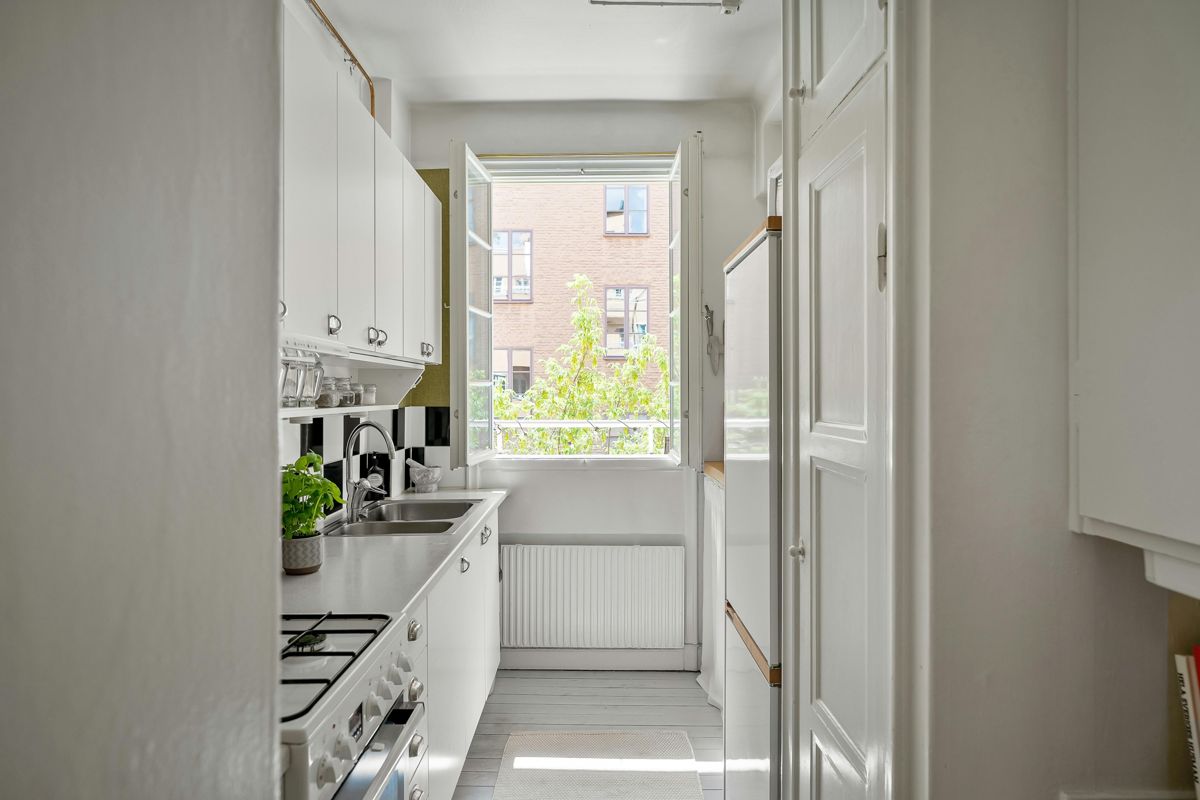
The real killer isn’t the monthly rent, though—it’s the move-in cost. Danish landlords love their deposits. It’s standard to pay three months’ rent as a deposit plus three months’ prepaid rent. Walking into an apartment can easily cost you 50,000 DKK before you’ve even bought a mattress. Source: Life in Denmark - Renting
Good to know
Survival of the Thriftiest
Food is pricey, period. If you eat out, you’ll cry. If you buy coffee every morning, you’ll go broke. I survived by learning the “Discount Trinity”: Netto, Rema 1000, and Lidl. Stick to the store brands and you’ll be fine.
On the bright side, transport is where you can actually save. Don’t bother with a car; it’s a tax-heavy nightmare. Get a bike. Just don’t buy a flashy new one—it’ll be stolen within a week. Scour Facebook Marketplace or a local Genbrug (thrift shop) for a beat-up “grandma bike” that works. For rainy days, just download the Rejsekort app and hop on the bus.
The Heating Surprise
Utilities are sneaky. In those charming, old Danish apartments, the windows are about as thick as a slice of rye bread. When winter hits, your heating bill (Aconto) can jump significantly. I learned the hard way: buy a thick wool sweater and keep the radiator on “3” instead of “5.”
The “Invisible Costs” of Denmark
- The Bike Maintenance Tax: Expect to spend 500 DKK a year on flat tires because of the “flint” they put on the roads in winter.
- Media License: It’s included in your taxes now, but don’t forget the Indboforsikring (home contents insurance). It’s often mandatory for renters and runs about 1,500–2,500 DKK a year.
- The Deposit “Haircut”: When you move out, Danish landlords are notorious for keeping a huge chunk of your deposit for “painting and floor sanding,” even if you lived there like a monk.