Cost of Living in Denmark
Is Denmark Expensive? A More Honest Look at the Costs

In this article
- Understand why Denmark feels expensive at first glance
- See how salaries and taxes balance overall costs
- Identify which everyday expenses are highest
- Learn what public services reduce your private spending
- Compare Denmark’s cost structure to the UK
“Is Denmark expensive?” tends to come up fairly early in any conversation about moving here. Usually just after someone looks up rent in Copenhagen or notices the price of a pint.
The short answer is yes, Denmark can feel expensive. But that’s not quite the full picture. What tends to catch people off guard is how different the structure of costs is compared to places like the UK. It’s less about things being universally pricey and more about where your money goes, and what you don’t have to pay for.
Living in Aarhus, the rhythm of spending feels steady rather than extreme. There aren’t as many financial surprises, which is quietly reassuring, even if the headline numbers look a bit intimidating at first.
The Big Picture: High Costs, but Not in Every Direction
Denmark consistently ranks as one of the more expensive countries in Europe. Groceries, eating out, transport, and services often cost more than in the UK. That part is real.
But there’s another side to it. Wages are generally higher, and there’s a kind of built-in balance between income and expenses. The system is designed so that while you pay more, you also earn more and receive more in return through public services.
If you compare typical spending categories side by side, it starts to look less dramatic:
| Category | Denmark | UK (for comparison) |
|---|---|---|
| Income tax | High (progressive) | Moderate |
| Salaries | High | Moderate |
| Healthcare | Mostly covered | NHS (free at use) |
| Childcare | Subsidised (but still costly) | Expensive |
| Transport | Expensive but reliable | Mixed |
| Eating out | Expensive | Moderate |
The key difference is predictability. Costs don’t fluctuate wildly, and there’s less reliance on private spending for essentials like healthcare or education. More on that via Life in Denmark, which outlines how public services are structured.
Good to know
Taxes: The Bit Everyone Notices First
Taxes in Denmark are high. There’s no way around that, and it’s usually the first thing people react to.
Income tax is progressive, meaning higher earners pay more, and it’s not unusual for total tax rates to sit somewhere between roughly 37% and over 50%, depending on income level and municipality.
That can feel steep, especially if you’re coming from the UK where the structure is a bit different. But it helps to understand what that tax actually replaces.
Healthcare is funded through taxes, so you don’t deal with insurance premiums or out-of-pocket costs for GP visits. Education, including university, is free. There are also strong social protections if you lose your job or need support.
So while your payslip looks smaller, your list of private expenses is also shorter. It’s less visible, but it does change the overall equation.
Salaries: Why the Maths Isn’t as Bad as It Looks
Salaries in Denmark are generally higher than in many other countries, especially for skilled roles.
There’s also a relatively compressed wage structure. The gap between lower and higher earners is smaller, which means even entry and mid-level jobs tend to offer a decent standard of living.
For a clearer sense of what people actually earn, it’s worth looking at Average Salary in Denmark. The figures can look surprisingly healthy, especially when compared directly to UK equivalents.
A realistic example might help here.
A mid-level professional in Aarhus earning around 40,000–45,000 DKK per month before tax won’t feel wealthy in a flashy sense, but they can usually cover rent, transport, food, and still have room for savings or travel. Not effortlessly, but without constant financial pressure either.
That balance is quite typical. It’s not about luxury, more about stability.
Daily Life: Where Denmark Feels Expensive
Even with higher salaries, certain day-to-day costs stand out.
Eating out is probably the most obvious one. A casual meal can easily cost the equivalent of £20–30 per person, and that’s before drinks. Coffee culture exists, but it’s noticeably pricier than in the UK.
Groceries are a bit of a mixed bag. Basics are reasonable, especially if you shop at discount supermarkets, but imported goods can be expensive. You learn fairly quickly to adjust your habits.
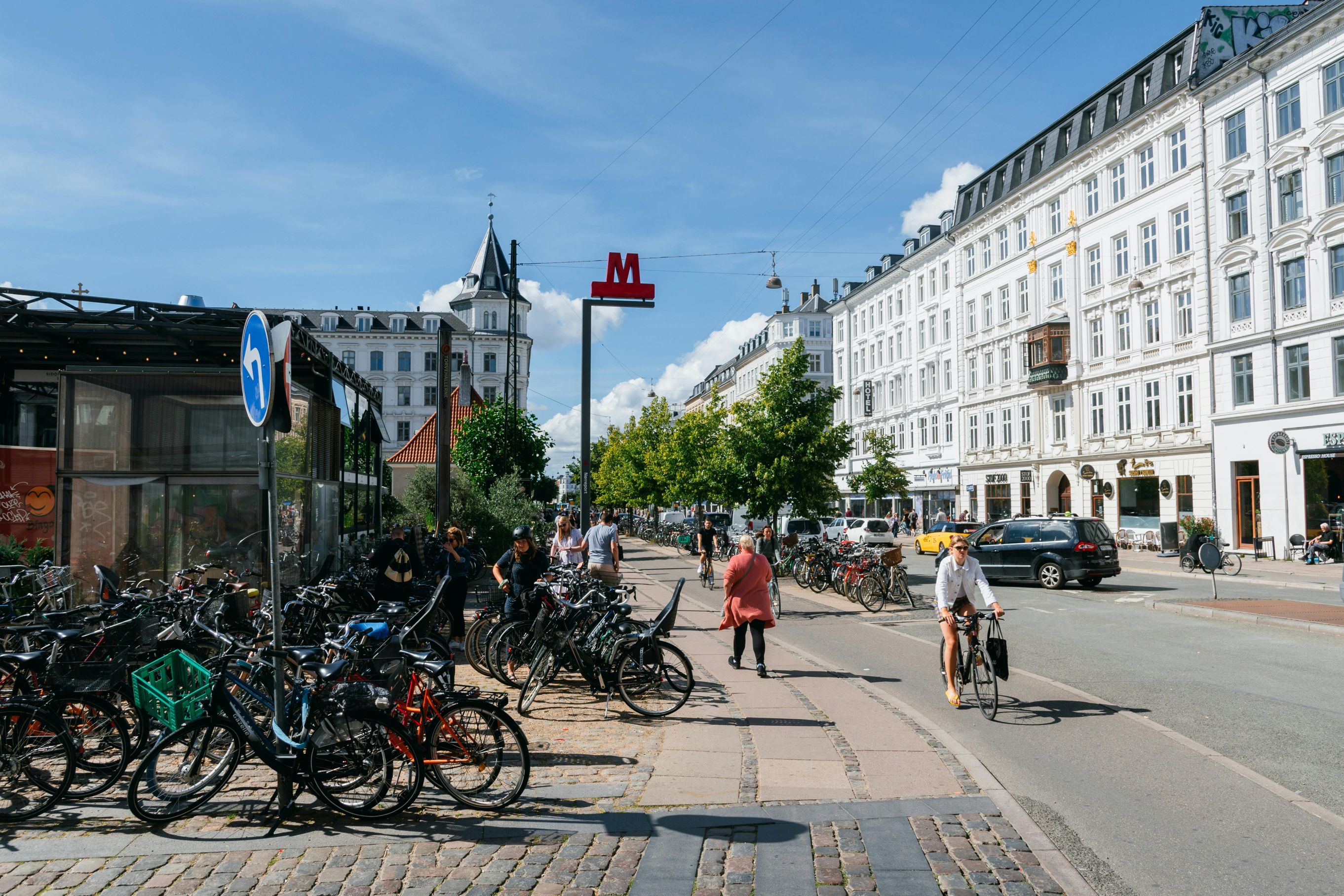
Transport is another area where costs add up. Monthly passes aren’t cheap, although the system is reliable and widely used. Many people cycle instead, which quietly solves both cost and convenience issues.
Housing deserves a mention too, though it varies a lot by city. Aarhus is expensive, but not quite Copenhagen-level. Rent will likely be one of your biggest expenses, especially when you first arrive. For a deeper breakdown, Cost of Living in Denmark goes into more detail.
What You Don’t Pay For (and Why It Matters)
This is the part that’s easy to underestimate.
In Denmark, a lot of major life costs are either covered or heavily subsidised. Healthcare is the most obvious example. Once you’re registered and have your CPR number, GP visits and hospital care are free at the point of use.
Childcare is subsidised, though still not cheap. Education is free, and students even receive financial support through SU.
There’s also a level of infrastructure and public service quality that reduces indirect costs. Things tend to work. Public transport runs on time, administrative systems are relatively efficient, and there’s less need to spend money compensating for gaps in services.
It’s not perfect, but it does mean fewer unexpected expenses creeping in.
Perception vs Reality: Why It Feels So Expensive
A lot of the “Denmark is expensive” narrative comes from short visits or surface-level comparisons.
If you’re here as a tourist, you notice restaurant prices, alcohol costs, and hotel rates. You’re not benefiting from the salary structure or public services, so it feels disproportionately high.
Even when moving here, the first few months can feel expensive. There are setup costs, deposits, and a bit of trial and error with budgeting.
But over time, spending tends to stabilise. Once you understand where to shop, how to structure your monthly expenses, and what’s actually covered, the financial picture becomes more predictable.
For a more detailed breakdown of how expenses typically add up, Monthly Budget in Denmark is worth exploring.
It’s less about Denmark being cheap or expensive in absolute terms, and more about how the system distributes costs.
So, Is Denmark Expensive?
Denmark isn’t “cheap,” and it never will be. But it is fair. You pay for the quality of life, the clean streets, and the fact that the person serving your coffee can actually afford to live in the same city as you.
It’s expensive in visible, everyday ways like food, transport, and eating out. But it’s also structured to offset those costs through higher salaries and comprehensive public services.
It doesn’t suit everyone, especially if you’re used to lower upfront costs and more private control over spending. But for many people, the predictability and stability make it feel manageable over time.