Cost of Living in Denmark
Living Costs in Copenhagen: Where Your Budget Really Goes

In this article
- Understand why rent is Copenhagen’s biggest budget pressure
- Estimate realistic monthly costs for housing, food, transport, and social life
- Prepare for upfront rental deposits and moving-out deductions
- Learn where daily costs can be reduced without sacrificing quality of life
- Spot the invisible expenses many newcomers miss
The shock of Copenhagen’s cost of living rarely hits when buying a carton of milk or tapping a travel card. It hits during that slightly grim moment of realization that a perfectly ordinary one-bedroom flat is about to swallow a massive chunk of your take-home pay. And that is before buying a single cup of coffee, paying for Wi-Fi, or stepping anywhere near a bakery.
Copenhagen is undeniably expensive, but it is pricey in its own distinct way. Everyday logistics are not wildly different from Aarhus or Odense. Supermarket runs can be managed if you shop like a local. That means hunting for weekly discounts, embracing Netto and Rema 1000, and accepting that buying strawberries in January is financial sabotage. The true financial squeeze comes from housing, socialising, and the frictionless ease with which tiny, capital-city habits stack up.
To get a broader national benchmark, taking a look at a comprehensive Cost of Living in Denmark guide helps, but the capital genuinely requires its own reality check because the property market distorts the entire budget.

The Big One: Rent in the Capital
Rent is the precise reason Copenhagen feels punishing even to people earning what looks like a stellar salary on paper. A single professional hunting alone can easily expect to fork out 10,000 to 13,000 DKK per month—minimum—for a one-bedroom apartment. That is assuming a desire for something reasonably central, insulated, and not featuring a kitchen trapped in 1987.
The crowd-sourced metrics on Numbeo’s Copenhagen Data mirror this reality, pegging a city-centre one-bed at roughly 12,500 DKK, while dropping outside the urban core slides it down to about 9,100 DKK. A three-bedroom apartment in the thick of it pushes past 22,000 DKK! The exact type of number that makes commuting suddenly sound incredibly romantic. While market listings fluctuate wildly, the trajectory is clear: housing is the ultimate pressure point.
The real sting, however, is the upfront cost. Danish rental contracts are notoriously heavy on moving-in fees. Landlords routinely demand three months’ deposit plus prepaid rent alongside the first month’s payment. Handing over 40,000 to 50,000 DKK before getting the keys is standard practice. Even if that deposit is technically refundable down the line, it requires serious liquidity on day one.
Expected Monthly Outlays
| Expense Category | Realistic Budget (DKK) |
|---|---|
| Room in a shared flat | 5,000 – 8,000 |
| One-bedroom apartment | 10,000 – 13,000+ |
| Monthly transport pass | 600 – 800 (zone dependent) |
| Basic groceries (one person) | 2,500 – 4,000 |
| Casual dinner out | 140+ (per person) |
| Café coffee | 40 – 50 |
The pace of the market adds another layer of stress. Premium flats disappear in hours. Many newcomers quickly discover that the apartments they actually qualify for look very different from the bright, minimalist spaces they scrolled through while back home. There is a massive gulf between what is listed online and what is accessible when lacking a Danish rental history or a local network. For a deeper breakdown of leases, legalities, and what constitutes a fair price, check out the guide on Rent Prices in Denmark.
Good to know
Why the Capital Sucks In More Cash
The city acts as the country’s economic magnet, concentrated with roles across tech, life sciences, green energy, and international organizations. That is why professionals keep arriving despite the price tag. Salaries skew higher here, and English-only roles are more abundant, though still more competitive than recruiters might lead you to believe.
The catch? Higher salaries rarely outrun the premium on rent. Landing a contract for 45,000 DKK a month before tax sounds incredibly comfortable from abroad. But once SKAT (the Danish tax authority) takes its cut, and pension, utilities, transport, and food are accounted for, that balance looks entirely ordinary. It is not poverty, by any means. It is just not “effortless capital-city savings” territory either.
Copenhagen also encourages spending through pure temptation. The streets are dense with artisan bakeries, natural wine bars, boutique gyms, and design shops. No one forces anyone to buy a 55 DKK cardamom bun from Juno the Bakery, but the city makes it remarkably easy to justify. Living frugally is entirely doable; living casually is how budgets evaporate.
Compared to Aarhus, the capital feels grander and more international, but it demands far more financial stamina. Aarhus has grown pricier around the harbor, but Copenhagen still stretches the wallet to its absolute limit.
Daily Logistics: Groceries, Getting Around, and Socializing
The transit network is clean, frequent, and genuinely brilliant. It is not cheap, but it rarely breaks a budget. Most residents combine the metro or S-train with cycling. Investing in a sturdy, second-hand bike from a shop or an online portal like Den Blå Avis (DBA) pays for itself within two months by slashing metro usage.
Groceries are entirely manageable if you lose any brand loyalty. Discount chains are ubiquitous, and flipping through digital store flyers for tilbud (offers) is a national pastime, not just a student habit. Imported meats, cheeses, and convenience meals will make you wince, but staples like oats, rye bread, root vegetables, and local dairy are cheap. Utilizing food waste apps like Too Good To Go is also common practice across all income levels.
Eating out is where the financial illusion shatters. A basic cafe lunch runs 100 to 160 DKK, and a casual dinner with a single beer easily climbs past 300 DKK without even trying. A proper date night gets expensive fast.
This requires a cultural pivot for many expats, particularly those used to cheap casual dining cultures. In Copenhagen, going out for dinner is treated as a deliberate event. Social lives pivot toward hosting at home, communal cooking, or meeting for a beer on the harbor edge.
The Reality Check Budget: A single expat in a one-bed outside the immediate center might pay 10,500 DKK for rent, 1,000 DKK for utilities and internet, 700 DKK for transit, 3,000 DKK for groceries, and 3,000 DKK on socializing and general lifestyle. That pushes monthly outlays to 18,200 DKK before factoring in travel, flights home, dental work, or insurance. That is not luxury living; it is just standard Copenhagen life.
Squeezing the Value Out of the City
The most impactful financial lever is location. Neighborhoods like Vesterbro, Nørrebro, and Frederiksberg are magnetic for a reason, but they carry a premium. Looking slightly further out toward Valby, Vanløse, or areas along the S-train lines offers significantly better value. A 20-minute bike commute is entirely standard here. It feels less poetic in a freezing January drizzle, but the infrastructure makes it safe and reliable year-round.
Shared housing (bofællesskab) is also common well into professional ages. For single arrivals, it provides instant community and immediate financial breathing room. Note that if moving with pets, finding a rental becomes twice as difficult; it requires patience and often a higher budget.
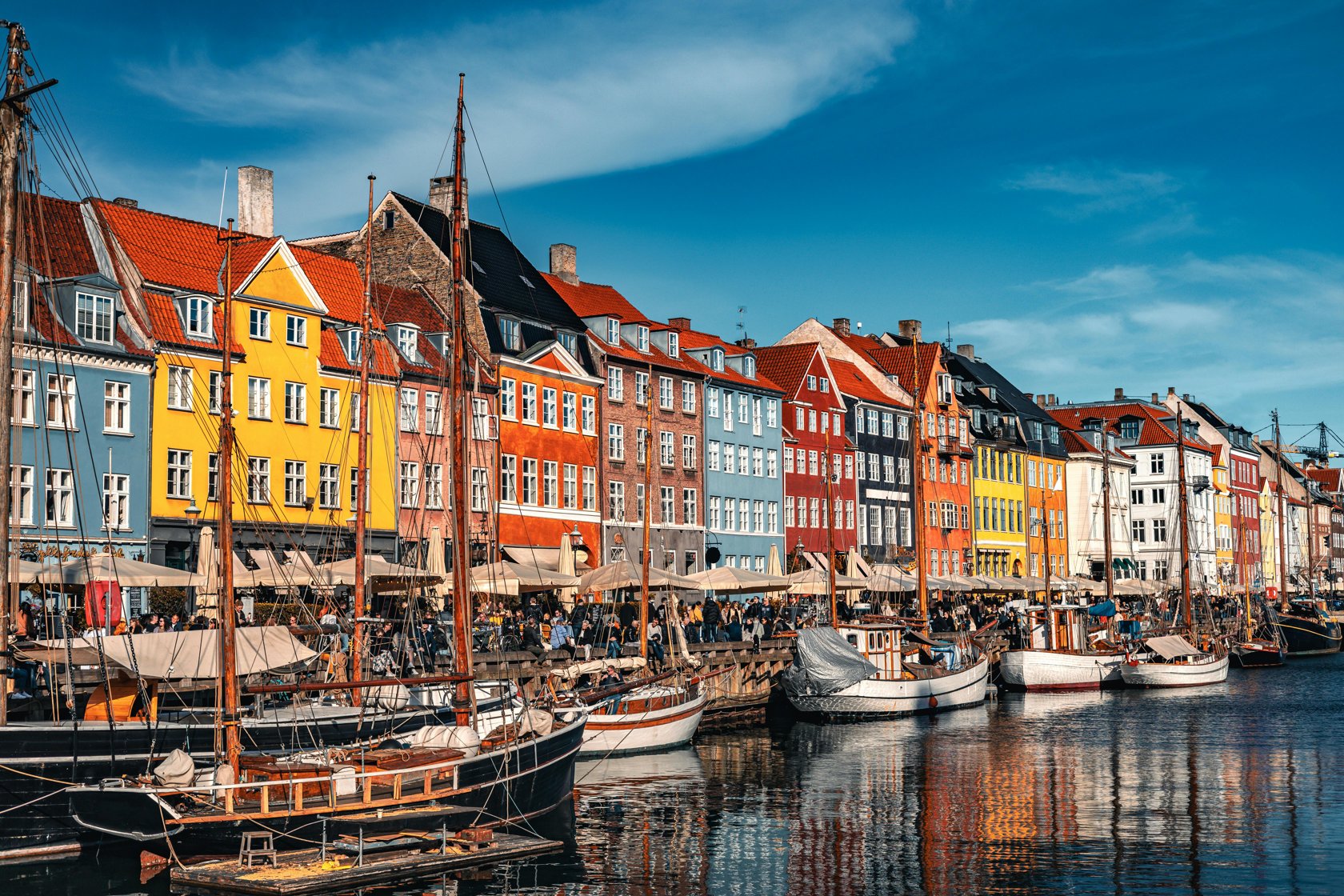
The trick is separating the tourist experience from residency. Tourists buy coffee at Nyhavn, dine in Indre By, and view the city as financially hostile. Residents map out the local supermarkets, leverage their bikes, pack lunches, and realize the best parts of Copenhagen cost nothing: harbor swims in the summer, sprawling parks, immaculate public libraries, and simply sitting outside the moment the sun finally cuts through the grey.
The numbers simply need to be looked at realistically before making the leap. Copenhagen does not offer cheap living, but it does offer an exceptional quality of life, structural safety, and career growth—provided the calculations are done correctly before signing on the dotted line.