Housing in Denmark
Hidden Costs of Renting in Denmark

In this article
- Understand the difference between contract costs and real move-in costs
- Budget for lamps, curtains, furniture, kitchen basics, and internet setup
- Know how A conto utility payments can lead to later adjustments
- Prepare for laundry fees, delivery costs, and hardware store trips
- Protect your deposit by documenting defects within the first 14 days
Once the mental gymnastics of calculating a deposit and prepaid rent are out of the way, it is tempting to think you now understand the real cost of moving in.
Usually, that is exactly when Denmark smiles politely, tilts its head, and introduces you to the concept of bare ceilings.
The hidden costs of renting in Denmark are rarely malicious. Landlords generally are not hiding secret fees in the floorboards to trick unsuspecting newcomers. Instead, these expenses are intensely practical, highly literal, and tend to pop up right when a bank account is already looking fragile from the initial move-in shock. The annoying part is that many of these costs arrive right after the deposit and prepaid rent, which is why the first month can feel so much more expensive than the listing suggested.
While the massive upfront fees are mapped out in the guide to Rental Deposits in Denmark: Deposit, Prepaid Rent and Move-In Costs, the focus here is on the smaller, stealthier expenses. The ones that get forgotten while scrolling through beautiful apartment listings online.
On paper, the Danish rental system is highly structured. A standard contract clearly lays out the rent, deposit, utilities, and notice periods. According to the official Life in Denmark portal, heating, water, and gas are rarely bundled into the base rent. To make matters weightier, BoligPortal points out that landlords can legally demand up to three months’ rent for a deposit, plus another three months of prepaid rent just to hand over the keys.
That is the formal reality.
The informal reality is walking into a legally pristine, beautiful new apartment and realizing it is completely missing half the components required for basic human existence.
The Difference Between Contract Costs and Real Life
Contract costs are the predictable numbers. They include the monthly rent, the massive deposit, and any fixed utility advances. Anyone trying to gauge baseline prices across different regions should consult the guide on Rent Prices in Denmark: What You Should Expect Before Moving, because the gap between Copenhagen and smaller towns like Aalborg or Odense is substantial.
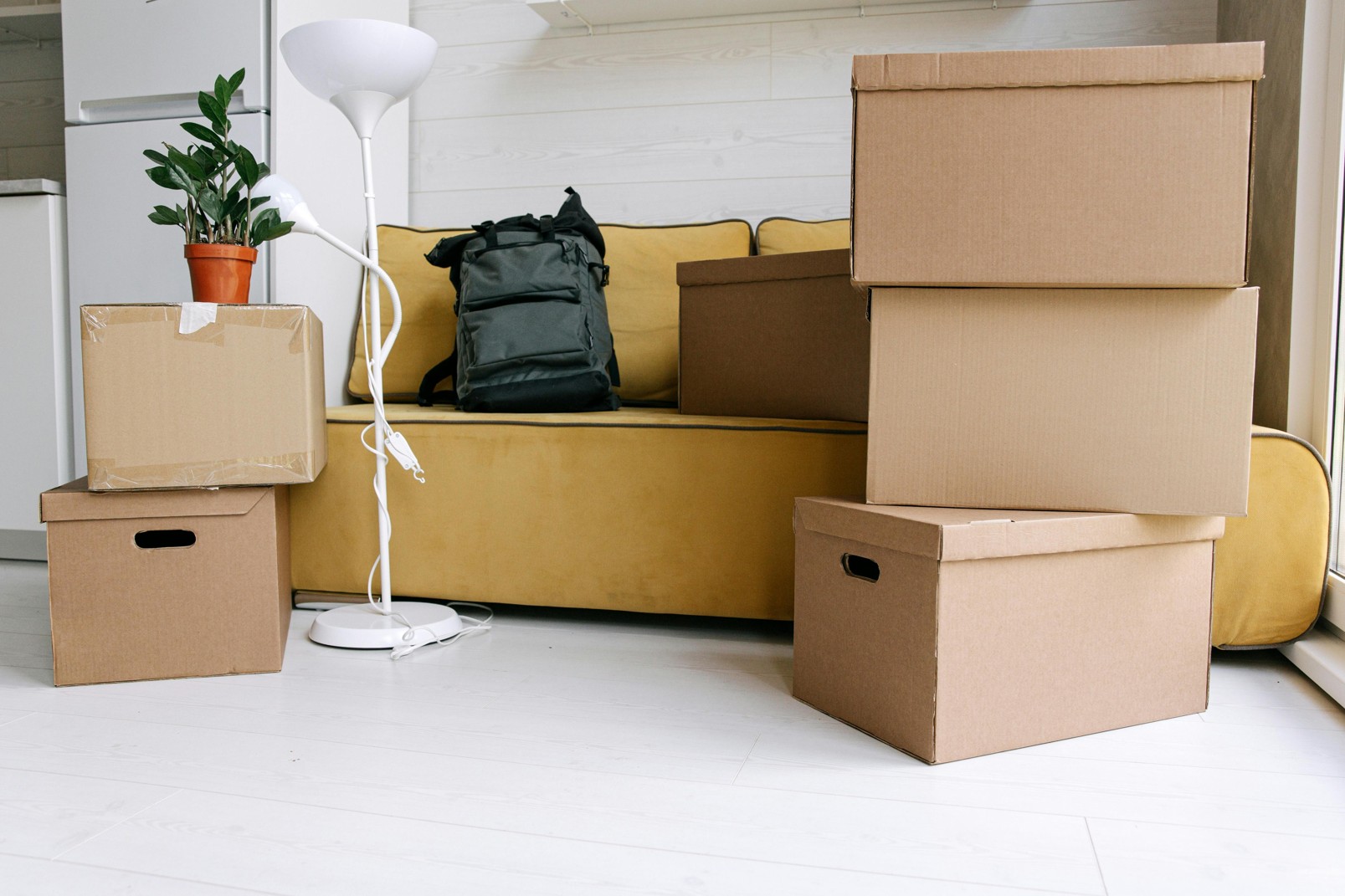
Practical move-in costs are an entirely different beast. These are the expenses required to turn a concrete shell into a place where someone can sleep, cook, and avoid sitting in pitch darkness after 4:00 PM in November.
Danish rentals take the word “unfurnished” with absolute, uncompromising literalism.
No light fixtures. No curtains. Frequently, no shower curtain rail. Sockets poke out of bare ceilings like raw wires, which feels like a minor detail until trying to balance a desk lamp on a cardboard box to see a dinner plate.
The timing makes these costs particularly rude. After transferring thousands of kroner for temporary accommodation and deposits, suddenly needing to buy a mattress, a router, trash bins, and a basic toolset can push a budget over the edge.
Good to know
The Things Newcomers Forget to Budget For
Furniture is the obvious giant. While outfitting a flat can be managed with trips to IKEA, JYSK, or hunting at local thrift shops (of which there are many!) or secondhand goldmines like DBA and Facebook Marketplace, the initial setup adds up fast.
Lamps deserve a special warning. In many countries, a room naturally comes with a basic bulb holder hanging from the ceiling. In Denmark, moving into a flat often means staring at a plastic junction box and realizing a trip to the hardware store for light fittings and a ladder is immediately required.
Windows are another surprise. Those gorgeous, expansive Danish windows lose their charm on the first night when the entire neighborhood can watch you eat takeout on the floor. Blinds or curtains are an immediate necessity, not a decorative afterthought.
Kitchens can also drain cash quickly. Unless a flat is explicitly furnished, do not expect a single fork, frying pan, or kettle to be waiting. Grabbing a few “basic items” from Netto, Lidl, or Coop 365 feels cheap until the receipt prints out at several hundred kroner.
| Cost People Forget | What It Usually Covers | How to Think About It |
|---|---|---|
| Furniture | Bed, sofa, dining table, chairs | The heaviest lift if moving completely fresh. |
| Lighting | Ceiling lamps, specialized hooks, extension cords | An absolute priority, especially during the winter months. |
| Window Coverings | Curtains, blinds, mounting brackets | Easy to overlook until realizing how short the winter days are. |
| Kitchen Basics | Pots, plates, cutlery, trash cans, dish racks | Small items from discount stores that multiply rapidly. |
| Logistics & Transport | Van rental, fuel, or delivery fees | Carrying flat-pack furniture on a bicycle has strict limits. |
| Internet Hardware | Buying a router, activation fees | Necessary to check what provider services the building first. |
Utilities sit right on the borderline between official fees and practical surprises. As Aarhus University’s housing guidance highlights, tenants are expected to pay for heating, water, and electricity separately. This is done via A conto payments—fixed advance estimates paid monthly.
The catch is the year-end reconciliation. If a tenant keeps the apartment at tropical temperatures through a Scandinavian winter, a substantial bill will arrive later to cover the difference. Older buildings with high ceilings are notorious for this.
Laundry systems can also chip away at a budget. If an apartment doesn’t have its own washing machine, the building will likely have a vaskeri (communal laundry room) operated by a chip card or a smartphone app. It is a minor recurring fee, but it requires upfront money during the first week.
Worth checking: Use a comparison tool like TjekBredbaand to see which internet providers are available at your address before buying hardware.
A Realistic Move-In Scenario
Picture an expat arriving in Aarhus for a great new job. They have paid the deposit, secured a beautiful flat, and feel entirely prepared.
Then they open the door.
The kitchen has a fridge and an oven, but the rooms are vast, echoing, and dark. There are no light bulbs. The bathroom needs a shower curtain unless they want to flood the floor. The internet requires a specific router that hasn’t arrived yet.
By Wednesday, this organized professional is navigating a rented cargo bike through the city center, balancing a mattress, three lamps, a frying pan, a clothes rack, and a basic table.
The landlord hasn’t done anything wrong; this is simply standard operating procedure for a Danish rental. But if a newcomer only budgeted for the deposit, this first week will feel incredibly stressful.
Arriving with just suitcases means relying on local stores immediately. To see how these initial hurdles fit into a broader strategy, reading up on How to Find an Apartment in Denmark can help align arrival dates with rental start times to avoid overlapping costs.
How to Budget Without Going Crazy
The easiest way to stay sane is to split the moving fund into three distinct boxes:
- The Landlord Box: Deposit and prepaid rent.
- The Day-One Box: Lamps, curtains, a bed, and internet.
- The Living Box: Ongoing monthly rent, insurance, and groceries.
Comparing flats purely by monthly rent can be deceptive. A slightly cheaper place that requires buying a refrigerator or installing light fixtures from scratch might end up costing more upfront than a slightly pricier flat that already has the basics sorted.
Crucially, protect your money on the way out by mastering the 14-day rule. Life in Denmark warns that tenants must document and report any existing defects within two weeks of taking over a property. Fail to do this, and the landlord can deduct the repair costs from the deposit when it is time to move out. Take photos of every scratch, chip, and loose hinge on day one, compile them into a list, and get written confirmation that the landlord received it.
If things get messy: LLO (Lejernes Landsorganisation), the Danish tenant union, can be useful if you want help understanding a rental contract or challenging deposit deductions.
For a clearer picture of how these initial expenses settle into regular monthly life, check out the guide on managing a Monthly Budget in Denmark to keep track of everyday costs.
Danish renting is refreshingly transparent once the rules are clear, but it expects tenants to be entirely independent. It is a practical system that does not hold anyone’s hand.
Before picking up the keys, set aside a fund specifically for the unglamorous things: a trash can, a bath mat, and a ladder. Future you, standing in an empty apartment as the sun sets at 3:30 PM, will thank you immensely.
What to Look at Next
- For upfront contract calculations, see Rental Deposits in Denmark: Deposit, Prepaid Rent and Move-In Costs.
- To gauge localized living costs, check Rent Prices in Denmark: What You Should Expect Before Moving.
- For long-term financial planning, explore the breakdown of a Monthly Budget in Denmark.
- If the search is just beginning, find the right neighborhood with How to Find an Apartment in Denmark.