Housing in Denmark
Rental Deposits in Denmark: Deposit, Prepaid Rent and Move-In Costs

In this article
- Understand how move-in costs can reach up to 7 months’ rent
- Know the difference between deposit and prepaid rent
- Check Paragraph 11 before signing anything
- Document defects within the first 14 days
- Watch for utilities, scams, and other easy-to-miss costs
Finding an apartment in Denmark can feel remarkably civilised right up until the landlord slides the payment details across the table. The listing looks gorgeous, boasting that sleek, minimalist Scandinavian vibe. The bike parking is discussed with the kind of reverence usually reserved for fine art. Then, you see the number. Suddenly, you are being asked to wire a sum of money that feels less like a standard rental deposit and more like the down payment on a small summer house in Skagen.
For anyone arriving from the UK, Ireland, the US, or Southern Europe, the upfront cost of Danish renting is a proper financial slap in the face. Back home, you might expect a month of rent and a modest security deposit. In Denmark? That is amateur hour. A perfectly standard, entirely legal rental contract can demand a deposit, prepaid rent, and your first month’s rent before they even hand over the keys.
This does not mean every landlord is running a scam. As in most rental markets, some landlords are better than others. But the eye-watering entry price is baked right into the Danish system. The trick to surviving it with your sanity intact is knowing exactly what you are paying for before you send over a very uncomfortable amount of money.
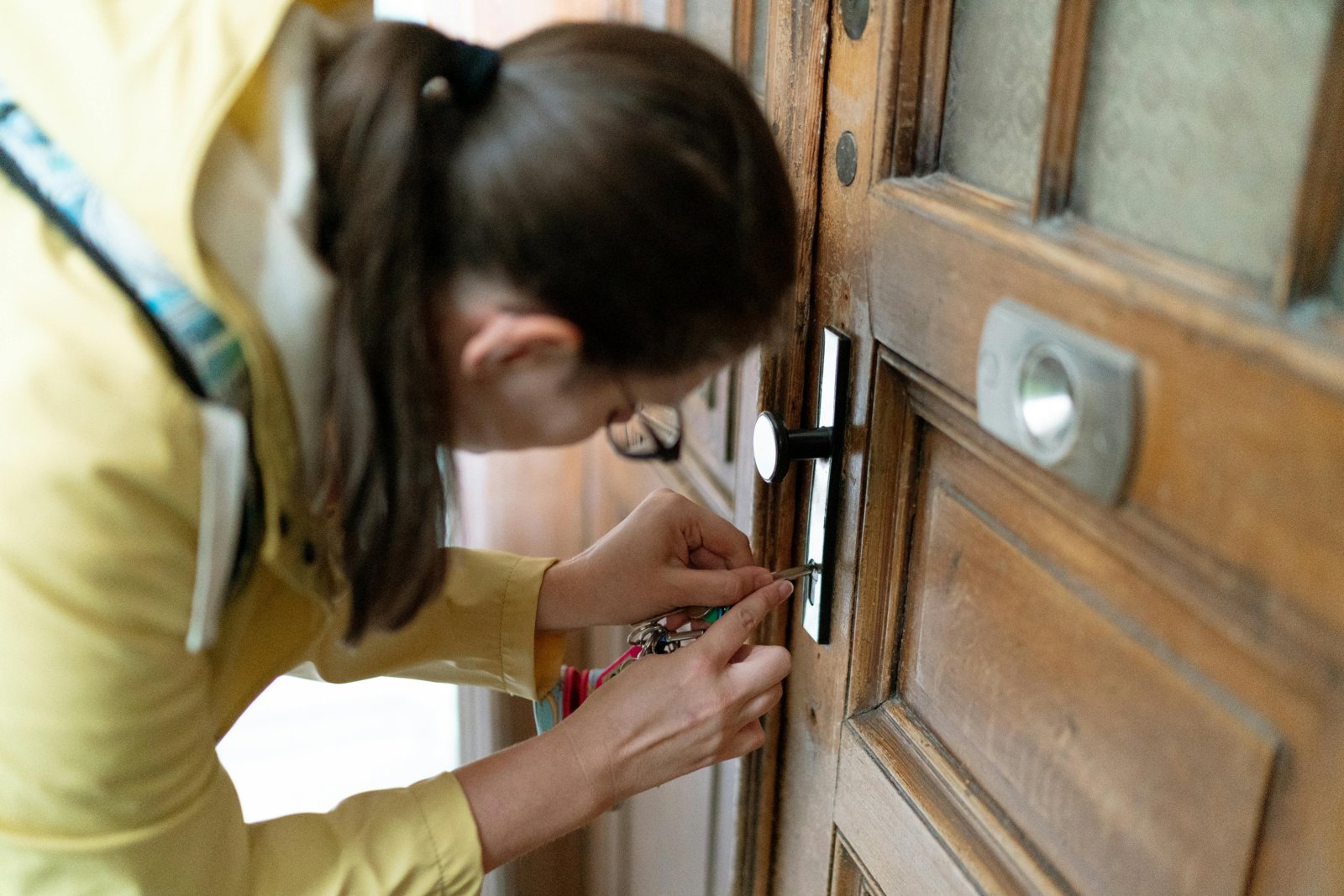
How Move-In Costs Can Reach 7 Months’ Rent
The story you see repeated in expat Facebook groups is true: you really can be asked for seven months of rent before moving in.
Under Danish rental law, a landlord can legally demand up to three months’ rent as a deposit, plus up to three months’ rent as “prepaid rent,” alongside your actual first month’s rent. If you want to dive into the official dry legal framework, the Life in Denmark portal lays it out, and the Aarhus University housing guidance breaks down this heavy-hitting combo in plain English.
Let’s look at the brutal math. If your flat costs a fairly standard 10,000 DKK a month, your move-in invoice will look like this:
| Payment Type | Example, 10,000 DKK Rent | What It Actually Means |
|---|---|---|
| Deposit (Depositum) | 30,000 DKK | Insurance for the landlord to cover floor sanding, painting, and any damage when you leave. |
| Prepaid Rent (Forudbetalt leje) | 30,000 DKK | Rent you are banking to cover your final months in the flat once you give notice. |
| First Month’s Rent | 10,000 DKK | Your ticket to actually live there for the first 30 days. |
| Total Upfront | 70,000 DKK | The grand total. And that’s before buying a single IKEA fork or celebrating with a takeaway. |
While deposit and prepaid rent leave your bank account on the same painful day, they serve totally different purposes.
The deposit is the landlord’s safety net. It pays for the restoration work when you move out.
The prepaid rent is essentially a forced savings account for your exit. If you have paid three months of prepaid rent and give your official three months’ notice to leave, you simply stop paying monthly rent during that notice period. You have already paid it. Do not expect to get this back as cash; it is money you have parked in advance.
Good to know
The sting usually comes down to timing. If your lease requires a three-month notice period ending on the last day of a calendar month, emailing your landlord on May 2nd instead of April 30th means you are stuck paying for an entire extra month. Tiny calendar details yield massive invoices here.
Moving Out: Why You May Not Get the Full Deposit Back
In many parts of the world, a deposit is only held back if you punch a hole in the wall or burn down the kitchen. In Denmark, your deposit is routinely treated as a general restoration fund to prep the flat for the next tenant. This is especially true in private rentals managed by big firms.
Landlords cannot just steal your money because they feel like it, but Danish standards of “clean and tidy” are borderline forensic. You will almost certainly be billed for professional painting, floor sanding, and deep cleaning when you vacate.
The absolute most critical part of your lease is Paragraph 11, or §11. This is the “special terms” wild-card section where landlords slip in the heavy financial obligations. If it says the flat must be handed back nyistandsat (newly refurbished), you will be paying to paint those walls even if you lived like a ghost.
The Golden Expat Rule: When you get the keys, photograph everything. Do not just shoot the nice rooms. Take boring, close-up photos of the tiny scratch on the skirting board, the lime-scale on the bathroom tiles, and the faint scuff inside the wardrobe.
Most contracts give you a strict 14-day window from your move-in date to submit a defect report (fejl- og mangelliste). Do it in writing, back it up with your photo evidence, and keep a copy. A friendly chat with the landlord in the hallway counts for absolutely nothing when you move out three years later.
Reading Between the Lines — and the Scams
Danish contracts are highly standardized, but utilities can hide a few traps. Keep an eye out for Aconto. This means you pay a fixed, estimated monthly amount for heat and water alongside your rent. If you crank up the radiators to survive a brutal, dark Danish winter, you might get a nasty surprise bill when the actual consumption is calculated. The Aarhus University housing page has a great breakdown of how these utility settlements work.
Also, note that your upfront deposit is calculated solely on the base rent. Landlords cannot include utility estimates to inflate your deposit, as pointed out on the BoligPortal on deposit and prepaid rent help page.
Because the cash flying around the Danish rental market is so substantial, scammers thrive here. If a landlord claims they are “currently abroad,” refuses a physical viewing, or pressures you to wire money via an international transfer to secure a flat, walk away. Denmark is a high-trust society, but it is not a utopia free of internet sharks.
Hidden Costs and Things to Check Before Signing
The deposit is the obvious cost, but it is not always the only one. If the apartment is unfurnished, you may need to buy furniture, lamps, curtains, basic kitchen things, and possibly pay for small setup work. It is very easy to spend several thousand kroner before the place feels properly liveable.
Utilities are another one to watch. If your contract includes aconto payments for heating or water, that means you are paying an estimated amount each month. If your actual usage is higher, you may get an extra bill later.
It is also worth checking whether laundry is included, whether internet is already set up, and what Paragraph 11 says about moving out. None of these details are especially exciting, which is precisely why they are so easy to miss.
If you feel like your landlord is overcharging you for rent or withholding your deposit unfairly, you can appeal to the local Rent Control Board (Huslejenævn), or check out community legal resources like Lejernes LO (LLO) for tenant backing.
The Practical Way to Think About It
Moving to Denmark is a brilliant adventure. The high quality of life, the seamless infrastructure, and the work-life balance are entirely worth the hassle. But the rental system is a cold, calculated business transaction. Fortunately, Denmark is definitely one of the better countries to be a tenant. You have many options if you feel overwhelmed or that you are being treated unfairly.
The smartest mental shift you can make is to treat your rental deposit as a sunk relocation cost rather than a savings account. Assume you won’t see all of it again, document the property obsessively on day one, and keep a buffer fund ready for your eventual exit. Once you accept the rules of the game, the upfront sticker shock loses its power.