Jobs & Salaries
The Best Jobs in Denmark as an Expat

In this article
- Focus on industries like tech, pharma, and green energy where English is common
- Understand the difference between truly international vs. Danish-heavy workplaces
- Don't rely only on big brands—mid-sized companies often hire more expats
- Expect possible down-titling when entering the Danish job market
- Budget for A-kasse, unions, and commuting costs early on
Searching for “jobs as an expat in Denmark” usually serves up a lukewarm soup of generic advice: “learn the language” and “network until your eyes bleed.” While that’s technically true, it’s about as helpful as being told to “just be happy.”
The reality? You aren’t fighting for every job in the country. You’re looking for the specific pockets of the economy where being an international is actually a competitive advantage rather than a “cultural fit” hurdle.
Where the doors are actually unlocked
Expats tend to cluster in a few specific industries, and it’s not because we all like the same coffee shops. It’s because these sectors are either starved for talent or operate so globally that Danish is a “nice-to-have” rather than a dealbreaker.
Tech is the obvious frontrunner. Whether you’re into DevOps, AI, or full-stack development, the working language in Aarhus or Copenhagen offices is often English. Your colleagues might switch to Danish over a potato salad at lunch, but if you can ship clean code, they won’t care if your “R” sounds like a gargle.
Pharma and Life Sciences are the heavy hitters. Novo Nordisk is the 800-pound gorilla here, hiring internationals by the truckload. Along the “Medicon Valley” corridor, English is the default for research and regulatory roles.
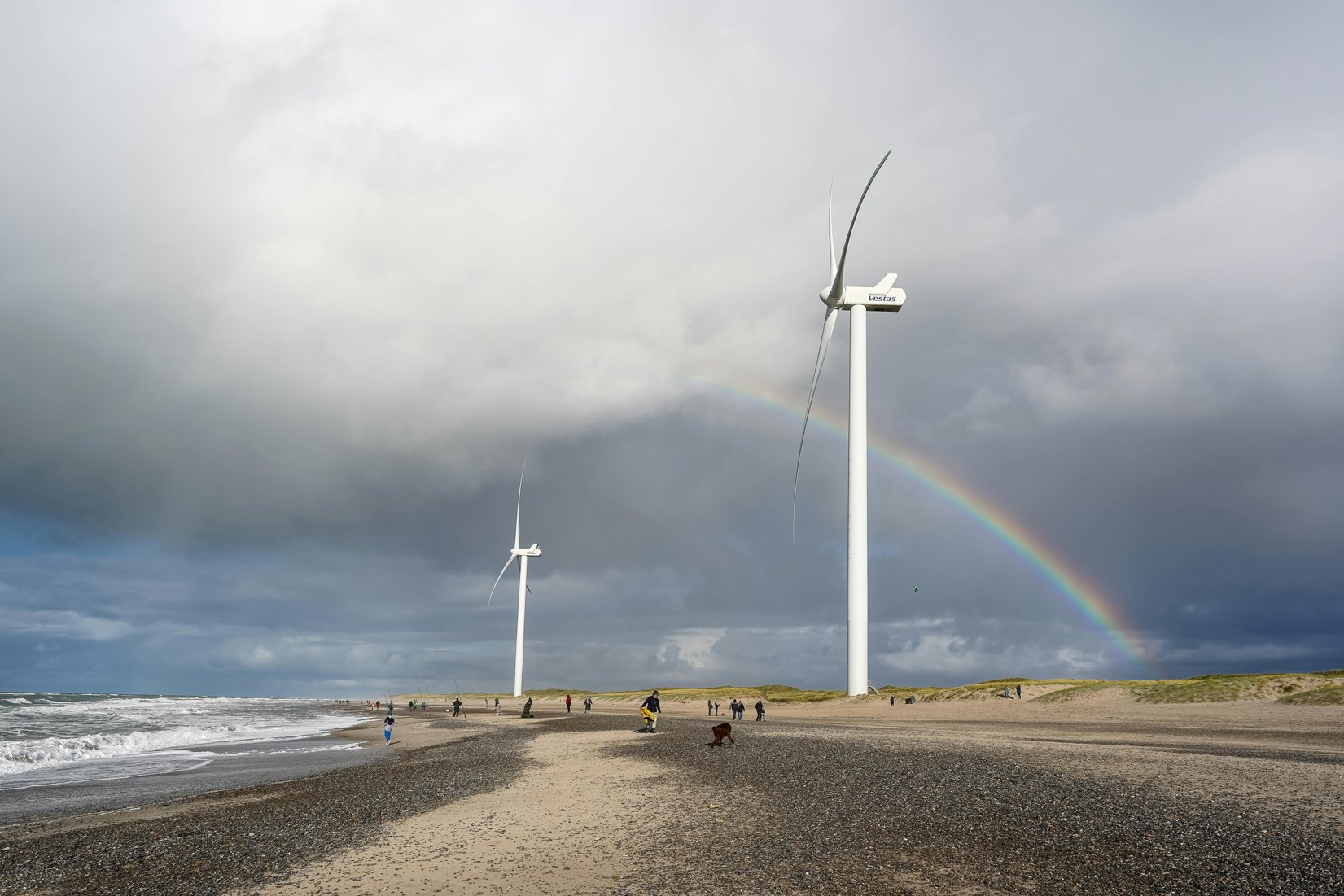
Engineering and Green Tech are Denmark’s bread and butter. Vestas and Ørsted are the big names in wind, but don’t ignore the smaller consultancies. Just be warned: if the role is “site-based” (i.e., you’re standing in a muddy field in Jutland), you’ll need some Danish to communicate with the local contractors who have zero interest in your English PowerPoint.
The “English-Speaking” Trap
Be a little skeptical when a job says “English-speaking.” In Denmark, this exists on a spectrum:
- The Bubble: True international firms where you’ll never need a word of Danish.
- The Hybrid: The job post is in English, but the internal emails, the canteen chatter, and the Friday bar are 100% Danish. You’ll feel like a ghost without at least a Module 1 certificate.
| Role type | Danish required? | The Vibe |
|---|---|---|
| Software / IT | Rarely | Very international; hoodie-friendly. |
| Pharma / Research | Often not | Corporate, global, and highly structured. |
| Engineering (Office) | Sometimes | Mixed; depends on where the clients are. |
| Engineering (Site) | Usually | Local; you’ll need to talk to the foreman. |
| Customer-facing | Almost always | If you can’t say “uheldigvis,” you’re in trouble. |
Good to know
If you’re wondering where you fit, check out this guide on Can You Get a Job Without Danish.
A Reality Check on the “Big Brands”
Everyone applies to LEGO and Maersk. They are fantastic employers, but because everyone knows them, the competition is fierce.
If you’re striking out with the giants, look at the “hidden” winners—the mid-sized B2B companies that provide the components for the wind turbines or the software for the shipping lanes. You can often find these through Work in Denmark, which is actually a surprisingly decent government resource for once.
Invisible Costs: The Career Edition
Moving for a job involves more than just a moving truck. In Denmark, the costs of “starting over” professionally can bite:
- The “Experience” Tax: Danish employers are risk-averse. They often “down-title” expats. You might have been a Senior Manager in London, but here, you’re a “Specialist” until you prove you understand the flat Danish hierarchy.
- A-kasse & Unions: It’s not mandatory, but almost everyone joins an unemployment insurance fund (A-kasse). Budget about 500–1,000 DKK per month for this and a union. It’s “outrageously expensive” until you actually need it.
- The Commute: If you land a job at LEGO but live in Vejle, or a job at Novo in Bagsværd while living in Vesterbro, the DSB train tickets or car taxes will drain your soul (and wallet) faster than the winter darkness. Use the Rejseplanen price calculator before you sign a lease.
Success here isn’t about sending 500 CVs into the void. It’s about realizing that the Danish job market is a small, tight-knit room. Once you find the right door—and maybe learn how to say “tak for sidst”—you’ll find that while it’s hard to get in, once you’re in, the work-life balance is actually as good as the brochures claim.